According to Periodic Labour Force Survey (PLFS) data from 2019-20, 86.1% of those between the age group of 15 and 59 years have yet to receive any vocational training. The remaining 13.9% had acquired training through various traditional and informal channels. The data highlights the urgent need to enhance technical, social and behavioural skills among the unemployed.
With rising unemployment, India’s struggling workforce demands more jobs, but there is also an urgent need to upskill our workforce to meet the global demand for skilled people. It emphasises the paradox in the labour market, making it imperative to rethink central questions surrounding education and employability. Namely, what should the right education entail? And why are so many left out of the upskilling ecosystem?
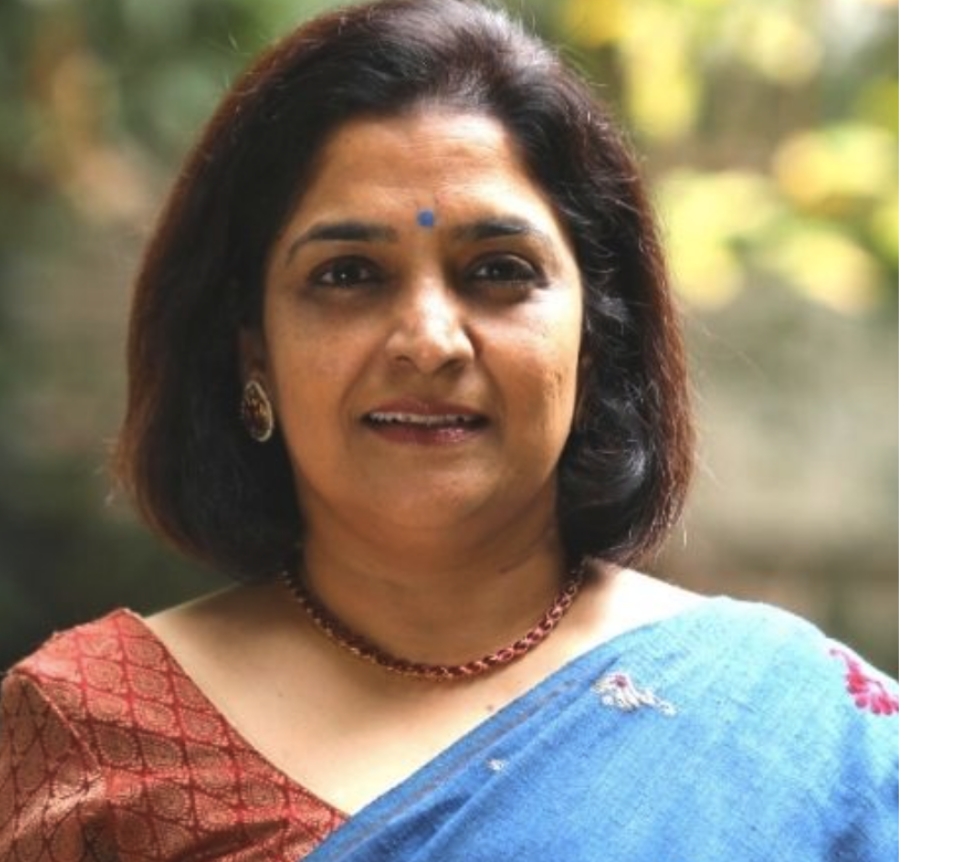
“The anxiety predominant among the youth from underserved communities was on how to find a job. Most of them came from rural and semi-urban areas, studied in vernacular medium schools, moved into metropolitans, secured admission at the top universities and got good grades. Even though they were academically bright, they found it difficult to get placed in good companies. They were able to perform well in the technical and academic rounds but struggled during the interview process. We identified that the root of the issue had to lie in gaps in soft skills, which are not necessarily taught in colleges but are so crucial in improving their sense of self-esteem and confidence. It gives them that edge, that confidence to be able to manoeuvre the interview and job placement process in a better way.”
In a country of billions, the most vulnerable demographic is the one who live in the margins, away from the bustle and prosperity of commerce. With skills for jobs evolving at the speed of technology, imparting skill-based qualities should create a generative value that shifts the paradigm of their realities from anonymity to prosperity. Facilitating a comprehensive learning experience for job aspirants, which involves both soft and technical skills in a long-term engagement, is vital to creating impact effectively.
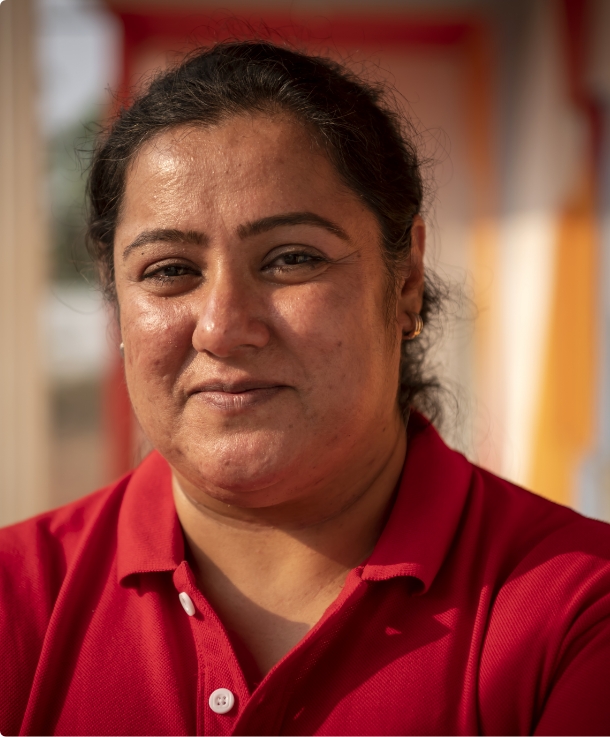
Surbhi Rattan
Head, Digital Academy, Corporate Social Responsibility, Capgemini India
“The Campus to Corporate (C2C) program has been designed to address the issue where graduate youth need help getting placed as they are not ‘employable’ per industry standards. A degree must prepare them more for the workforce requirements, and they need support to get employed. This issue is even more significant for youth from underserved communities constrained by financial, social and economic resources and thus increasingly marginalised from the needs of the 'new economy jobs.'”
As of January 2023, India’s unemployment rate was 7.14 per cent, per data from the Centre for Monitoring Indian Economy (CMIE).
Campus to Corporate (C2C) emerged with the vision to nurture and foster the aspirant’s holistic development and transform their lives. For this, Capgemini joined hands with the FFE India Trust and TNS India Foundation to support talented and educated youth from underprivileged communities with programmes that could empower them to carve out a sustainable career path in the field of technology. The programme equips them to pursue their dream jobs by training them on soft skills and technical know-how through systemic and sustained guidance from a network of mentors and experts. C2C traces the candidate’s journey through the four years of their university education; the structured curriculum imparts training on a wide range of skills, now prerequisites for jobs in the new economy. The programme begins with an employment assessment test that measures candidates’ core competencies and evaluates their knowledge in critical areas, focusing on building soft skills such as English language and aptitude. Communication skills are an essential part of the curriculum as it aids in fostering a collaborative spirit and teamwork, which is integral in building a successful career. The certified courses on critical industry-relevant advanced technical skills, one-on-one mentoring sessions, and mock interviews offer a continuous evaluation, marking the student’s progress at regular intervals. The curriculum also evolves depending on the industry’s requirements, with consistent efforts to make it engaging, robust and relevant. Campus to Corporate supports their transition from the campus to the corporate world. It opens access to leading multinational companies, which are also traditionally difficult for these youngsters to enter due to a lack of confidence and false social and cultural prejudices that plague those coming from underprivileged backgrounds.
What makes Campus to Corporate even more dynamic is its mentorship aspect. Employees from the Capgemini team don the role of mentors, spending significant amounts of time in one-on-one mentoring sessions, anchoring their mentees in their journey of self-growth and self-expression. The mentoring process is self-paced, with their relationship rooted in trust, understanding and unconditional support. The mentors bring in their life experiences, and there is sensitivity and patience with which they gently instil confidence in their mentees to venture outside their comfort zone.
Madhurai Das
Mentor, Associate Consultant in The Financial Services Business Unit, Capgemini
“Mentoring is not only beneficial for the student but is equally rewarding for the mentors. It is a wonderful experience where we learn about ourselves and develop confidence in communication skills to become better teachers or instructors. There is a lot that I have learnt from my mentee – being brave, the value of enthusiasm and the willingness to learn new things, learning to appreciate the fresh perspectives that we come across when we meet new people, the importance of priorities, the power of flexibility, and a lot more… One of the reasons why I chose to be a mentor is because it is a unique opportunity to step outside one’s own circle to gain an intimate understanding of how the world looks through someone else’s eyes. New perspectives always lead to fresh ideas, and who knows where these ideas could actually lead you… One small step from us can actually bring about a huge change or improvisation in the lives of these students.”


“My mentor is a great teacher and well-wisher. Even after his busy schedule, he made time to guide and train me to improve my soft skills. I am grateful for his patience. He was always there to analyse my problems and suggest the right way of handling the situations. I have learnt to keep calm, think logically, and develop time and stress management skills through the program. The kind of motivation I got during our sessions will definitely help in my personal and professional life.”
Amit, Mentee
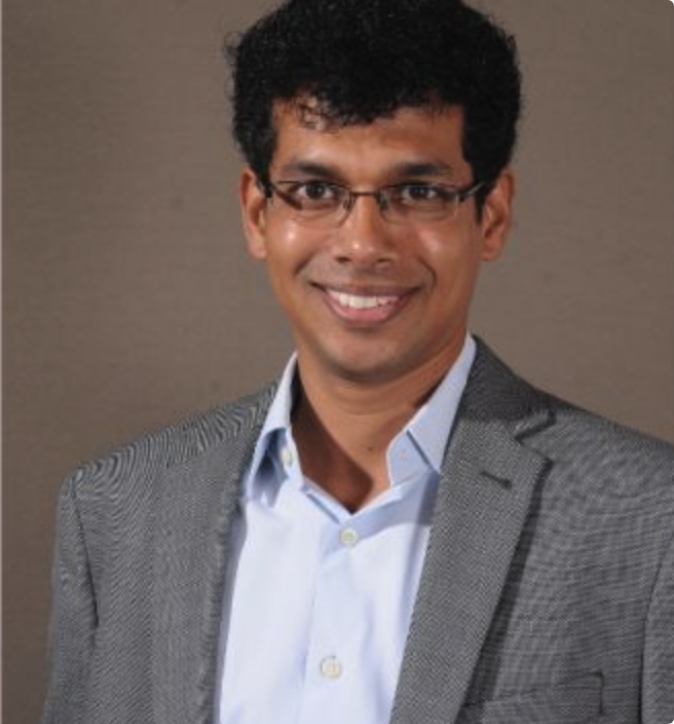
Ram Kolavennu
COO, FFE India Trust, NGO Partner
“It is not one of those easy kinds of programmes for people to adopt. For me, the CSR at Capgemini is not just Corporate Social Responsibility – it is Creative Social Responsibility. The collaborative approach is fairly unique as well as collective. Several of the Capgemini employees are also mentors, and there is a collective social responsibility that comes with that. The mentors spend almost six months with their mentees, and they bring their entire experience onto the table.”
The programme’s success lies in the complete transformation that it brings about in the candidate’s personalities. With the newly acquired skills and the conviction they have gained in their abilities, they can begin their careers, attain financial independence and pursue their ambitions. They then become catalysts of change in their families and communities, inspiring and instilling hope that education, specifically holistic learning, can pave the way towards a brighter future.
With his father being the sole earning member, working as a taxi driver and sustaining a family of five, Christy hoped to ease his family’s financial difficulties after getting a good job. After graduating in 2021, Christy began applying for jobs through various portals. However, after several unsuccessful attempts to pass the job interviews, he began to feel discouraged and unsure whether he could contribute to securing his family’s future. His sister’s unwavering support encouraged him to persevere against all odds. He enrolled on the Campus to Corporate programme to upskill his knowledge. When he finally got his dream job at Capgemini, it gave him the financial stability to support his family and a sense of confidence when he could contribute financially to his sister’s marriage.
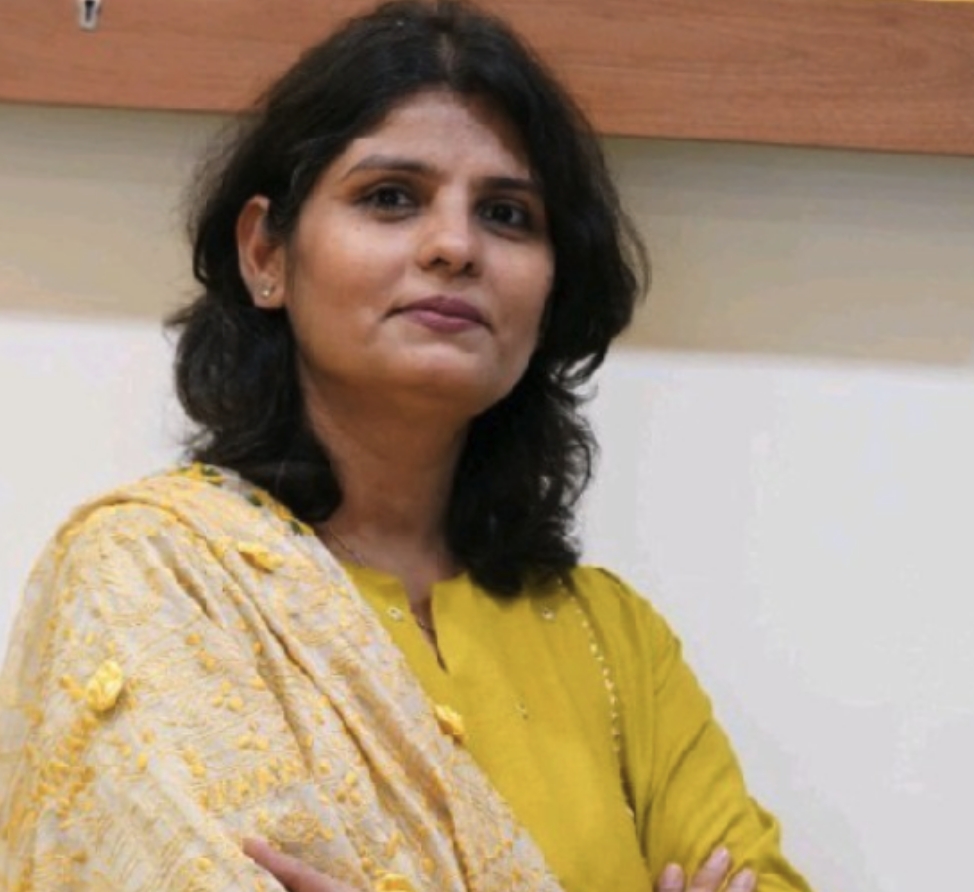
“One of the most important things is the intent of doing right. Through this program, both Capgemini and TNS have the right intent to build India as the next economic power. We are all working hard towards it, and we hope that the youth coming out of our programme can really make a difference, not just for their families, but for the country as a whole.”
Pan India