BENGALURU, KARNATAKA AND JALNA, MAHARASTHRA, india
MAATR app takes antenatal care to the mother's doorstep, combats high maternal mortality rate.
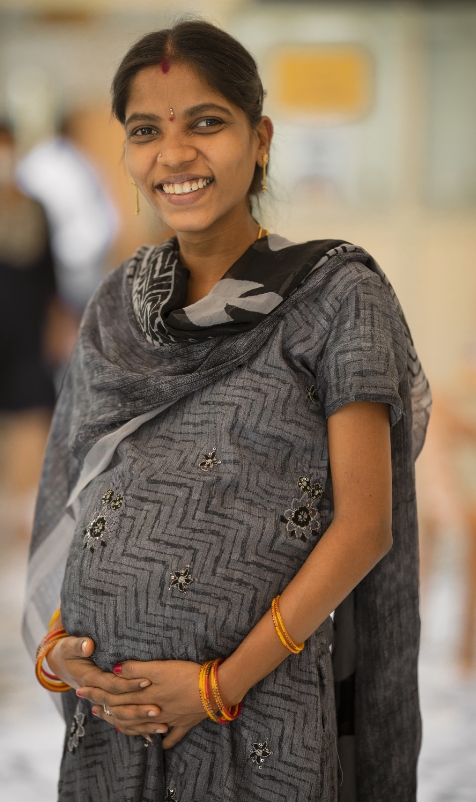
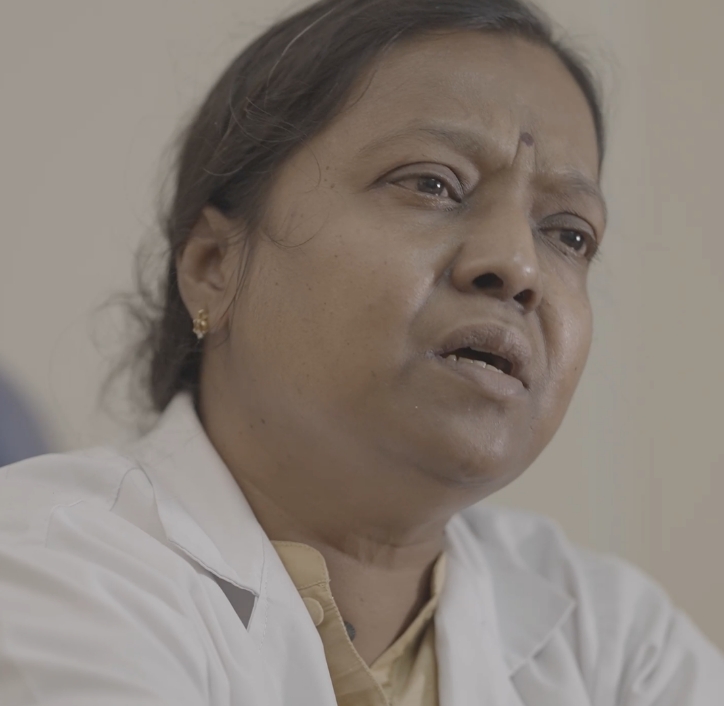
“The 'Urban-Slum' is always a population below the poverty line. When it comes to their reproductive and child health… coming to the hospital, taking care of their health factor is very less (priority) in them.”
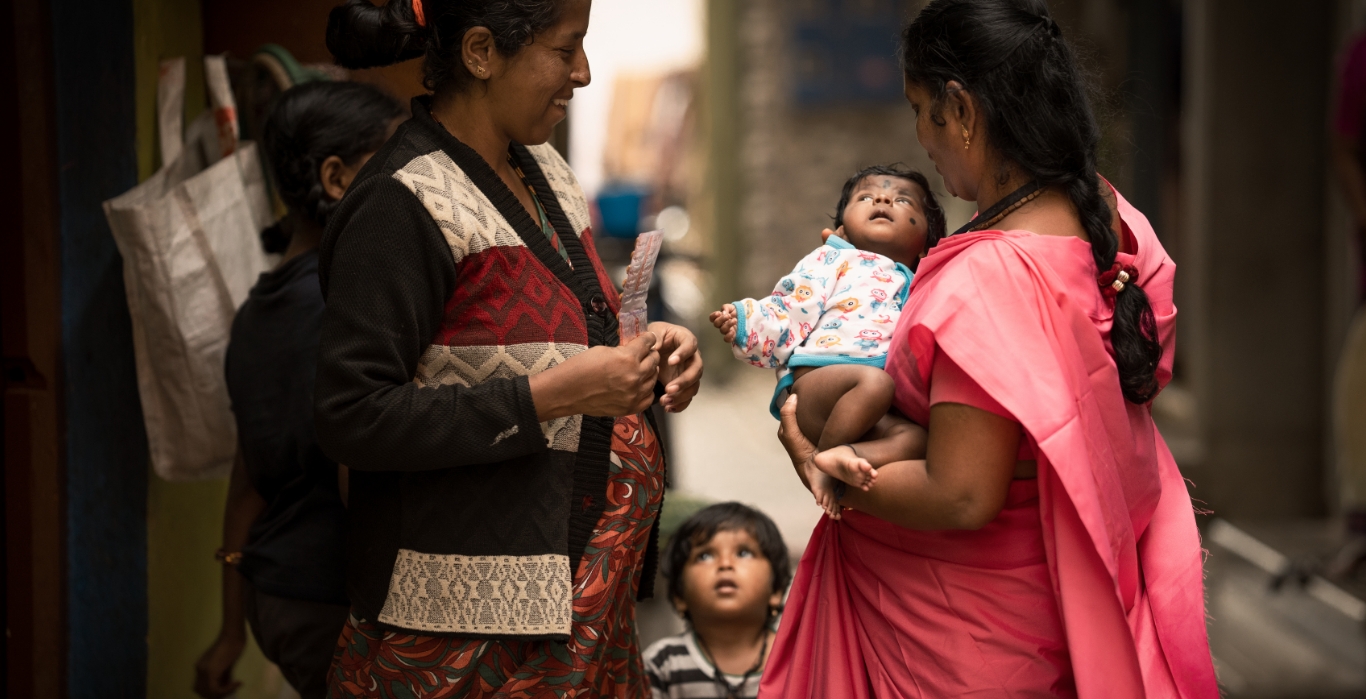
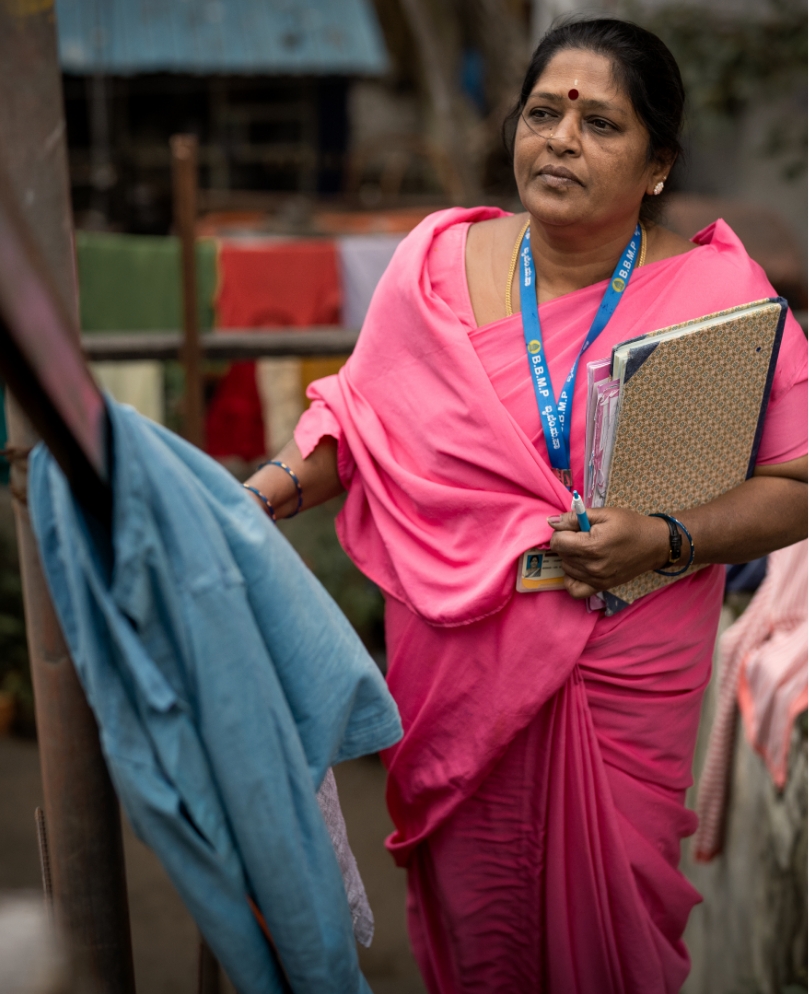
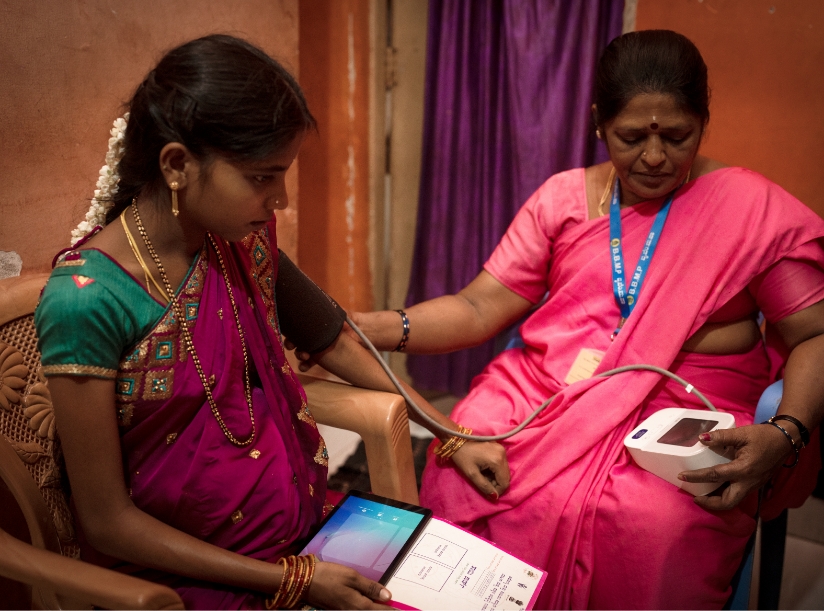
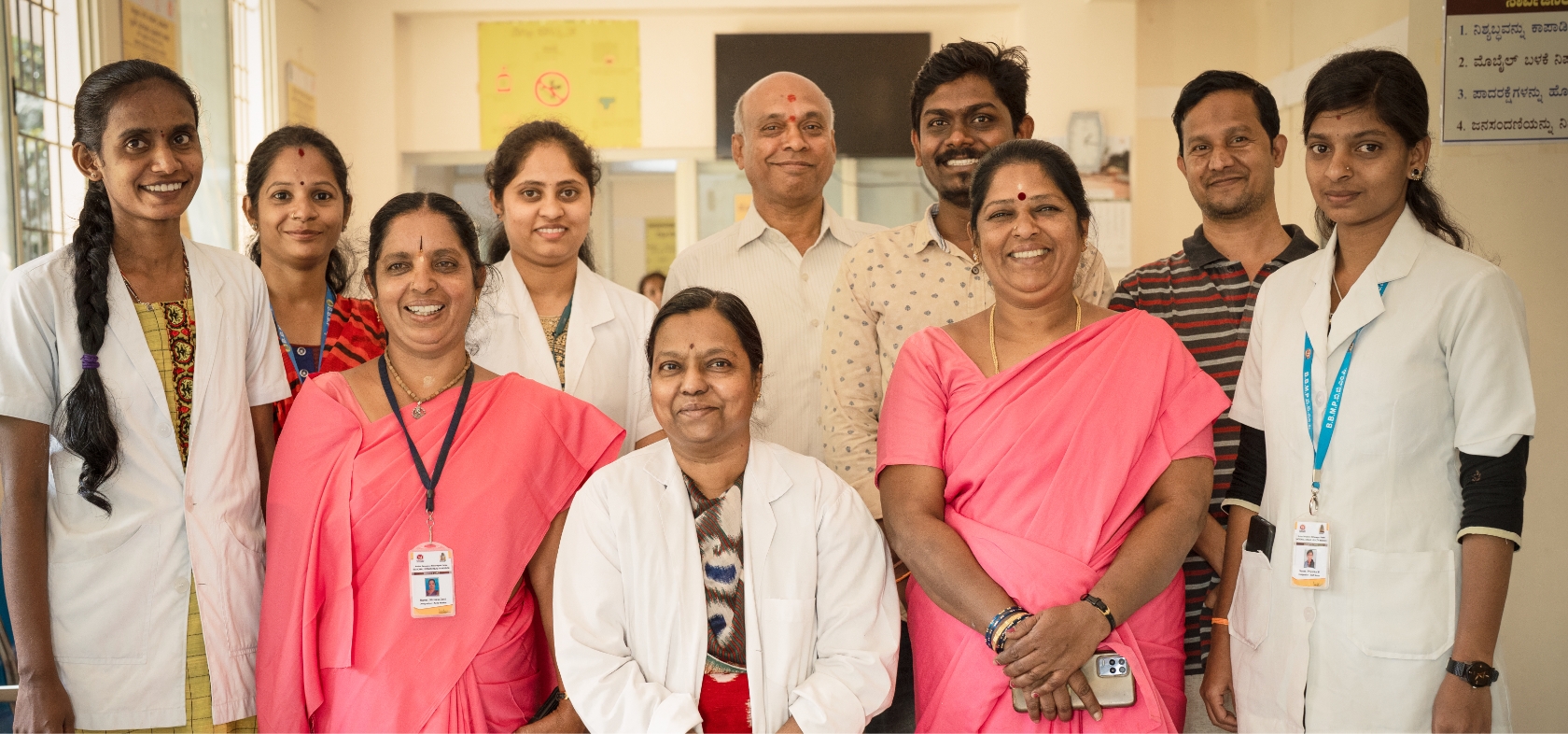
Uma Devi and Nirmala are ASHA (Accredited Social Health Activist) workers in Bengaluru. They transverse through a labyrinth of routes in Adugodi and Idagur daily, monitoring, assisting, collecting and documenting data on the health progress of the communities. They are a critical intervention point between PHCs and the mother and child. This combing of communities for health concerns is a task carried out by over 10.4 lakh ASHA workers daily across the country’s rural and urban-slum areas.
The word ASHA also means hope in Hindi, and much like its namesake, they bring hope as counsellors, frontline caregivers and many-a-times confidantes of expectant and new mothers. Under-staffed and under-equipped, the ASHAs (recognised by WHO as ‘Global Health Leaders’ for their significant contribution) work against the odds to bring care to mothers and children in these neglected neighbourhoods.
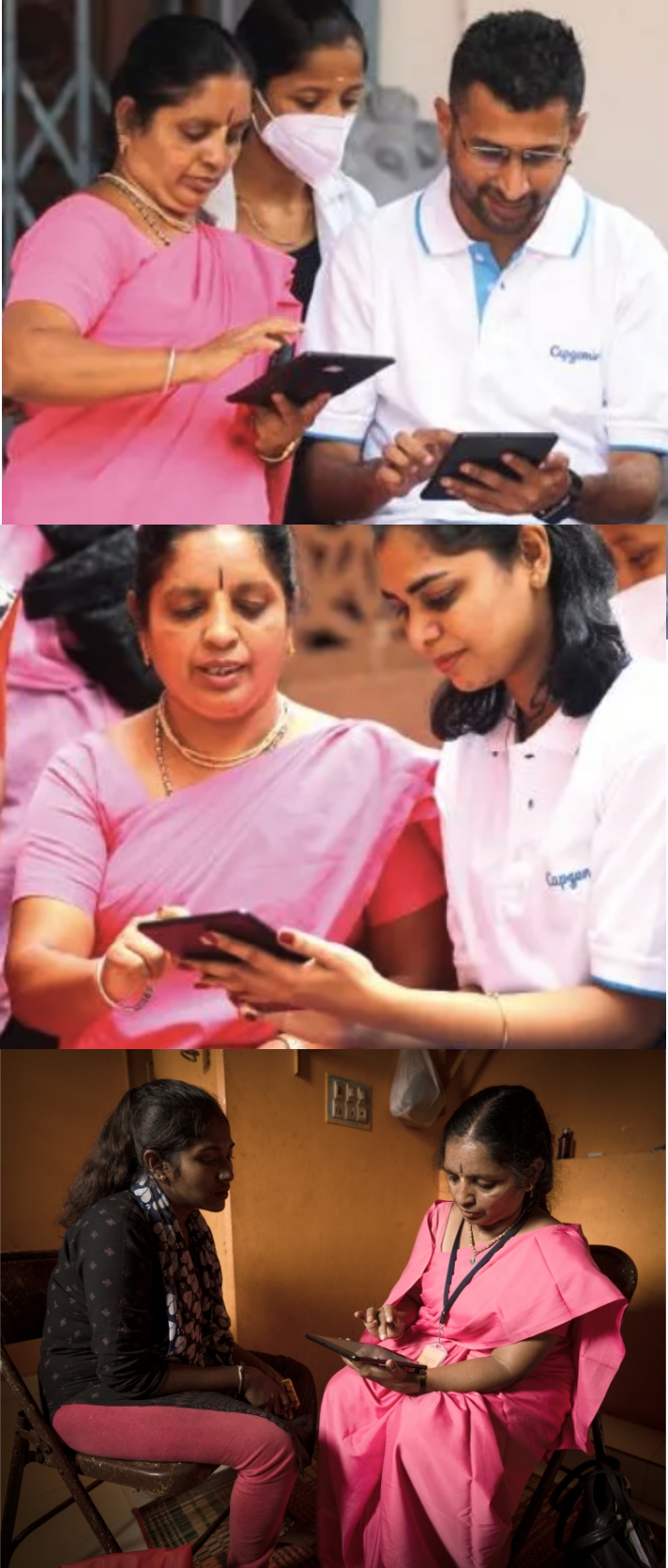
“During the pandemic, it was dangerous to go out, but we did it as it was vital to controlling the outbreak. But the fear and ignorance about COVID-19 were very high, and people refused to come out for check-ups. And pregnant and new mothers were in a high-risk category as check-ups are vital. During this time of helplessness, the MAATR app was invaluable as we could provide healthcare assistance to women who refused to visit PHCs regularly. The app helped us keep track of their antenatal progress, documented vitals, eased our workload with timely prompts and offered pregnant women easier access to their doctors and ANMs (Auxiliary Nurse Midwives). This app gave us the confidence to go out and help when we needed it the most.”
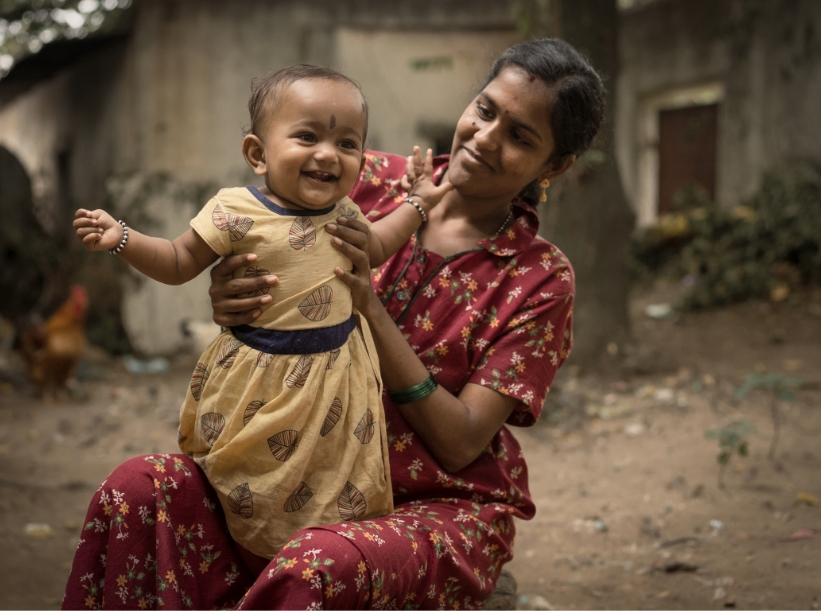
Historically, most fatalities in pregnant women and newborns arise from undetected non-communicable and nutrition-related diseases. Early screenings, detection of anomalies, and timely diagnosis can save lives and reduce maternal and neonatal mortality. Technology like MAATR which uses predictive analytics, remote diagnostics and voice technology, can not just combat but put the maternal mortality rate on a fast decline.
“We faced the brunt during the first wave, but by the second wave, it was easier with the introduction of the MAATR app; teleconsultation was done through a phone, and we could easily diagnose their problems.”
ASHA workers in Bengaluru used MAATR to support and provide timely maternal and neonatal care in their neighbourhoods. It became a potent supplement to conventional practices dispensed at the local health centres, improving the overall chain of health care from access to accurate diagnoses in treatments in low-income families.
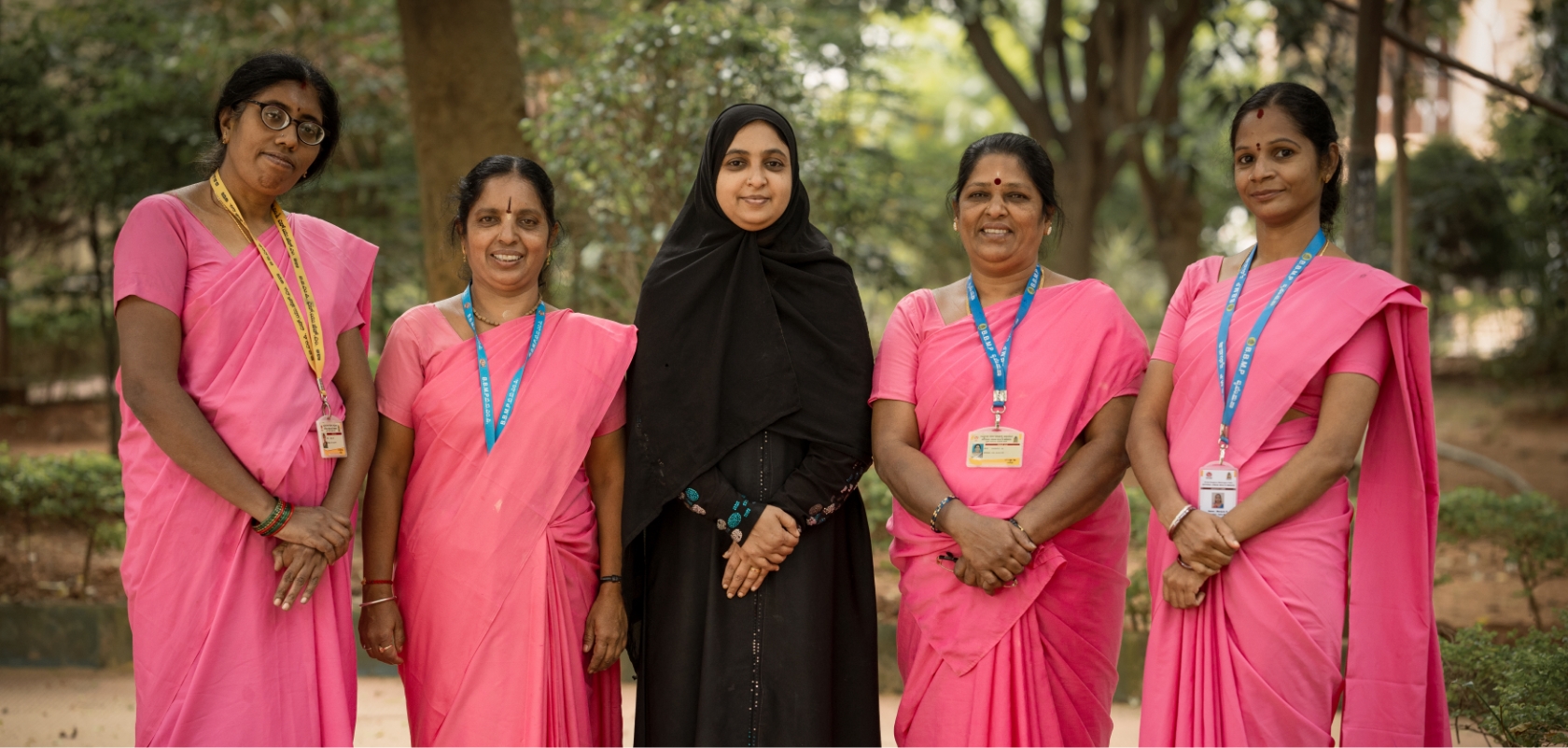
As per norms there is ‘one ASHA per 1000 population’. In tribal, hilly, desert areas, this is further dispersed with one ASHA per habitation.
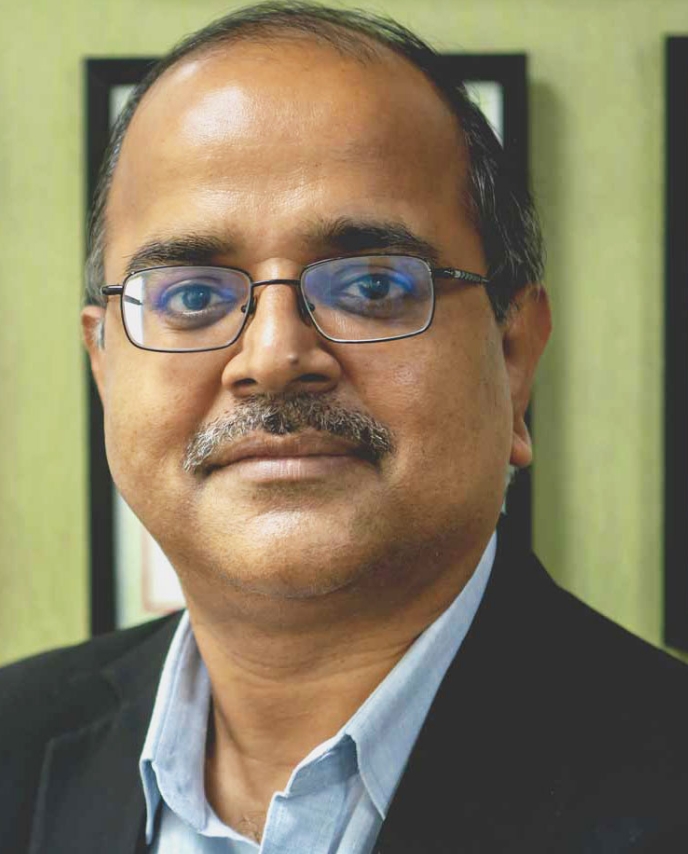
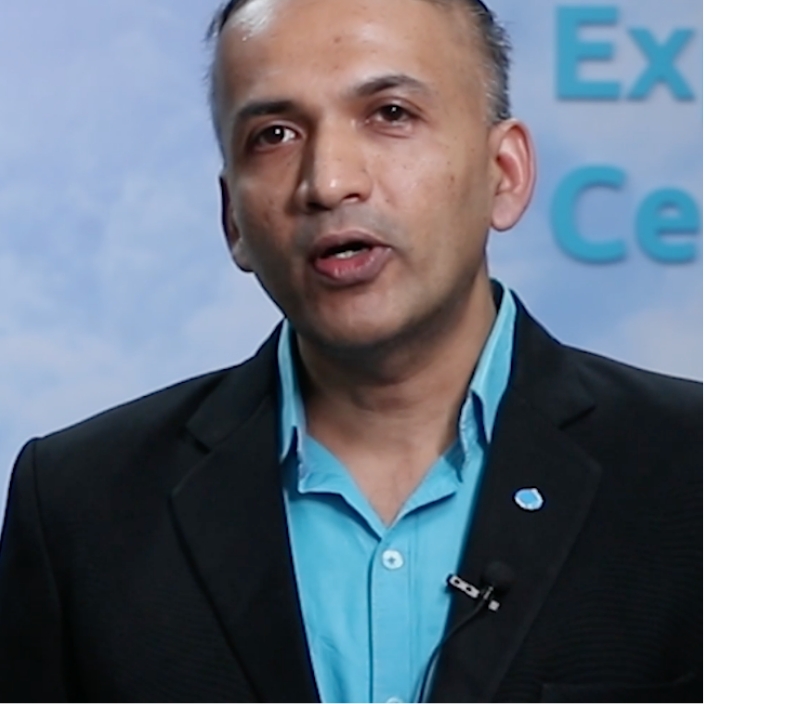
Kumar Anurag Pratap
Corporate Social Responsibility Leader, Capgemini India
“The MAATR app was successfully rolled out through two Public Health Centres (PHCs) in partnership with Karuna Trust in Bengaluru. The sheer potential of the app was evident when we got a heartwarming response from the ASHA workers. The potential of MAATR is also reflected in the MoU we have signed with the Government of Maharashtra to implement MAATR in the PHCs in Jalna in partnership with American India Foundation. For the first time, the power of AI and machine learning will be at health workers’ fingertips, benefiting expectant and new mothers. It is a much-needed tech-evolution in healthcare.”
Bengaluru
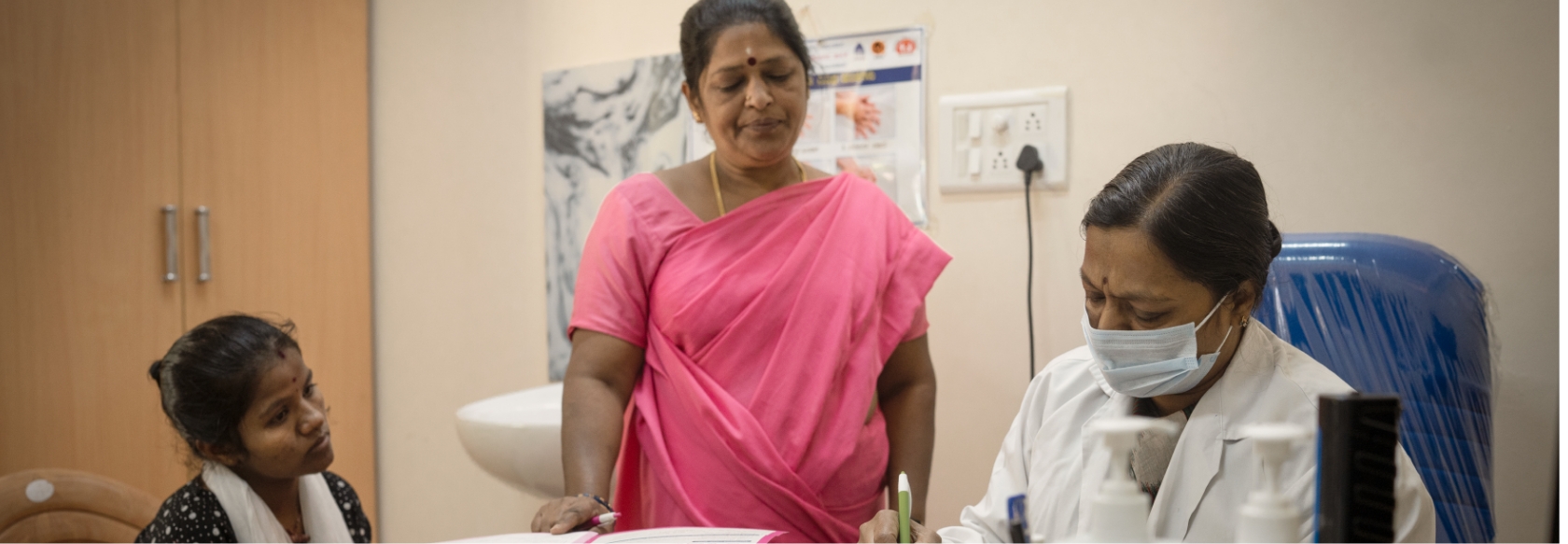
The pilot project was successfully rolled out in a rural and an urban primary healthcare centre to test its feasibility and impact in a real-world situation. It was well received among the ASHA workers, making their workflow smoother and more efficient. With the enormous possibilities of MAATR, the app has the potential to roll out pan-India in other regional languages.
“The ASHA workers who had participated in the pilot had a positive experience. They were able to address the high-risk alert cases promptly.”
The challenge to address societal problems with technology, data and creative solutions
India
The Tech4Positive Futures (T4PF) Challenge is an annual mega-event at Capgemini that brings some of its best minds together to compete with each other globally. The challenge strives to encourage and support tech-driven solutions for crucial social problems. Teams of technologists, data scientists, analysts, engineers and more at Capgemini use their collective might to rise up and build ideas that will drive change in the world through technology to get the future they want. Every year many brilliant ideas come to the fore from across countries, and the winning teams get the opportunity to make their vision a reality. MAATR app passed the rigours of T4PF to emerge as a winner from India and reflects our commitment to being the Architects of Positive Futures.
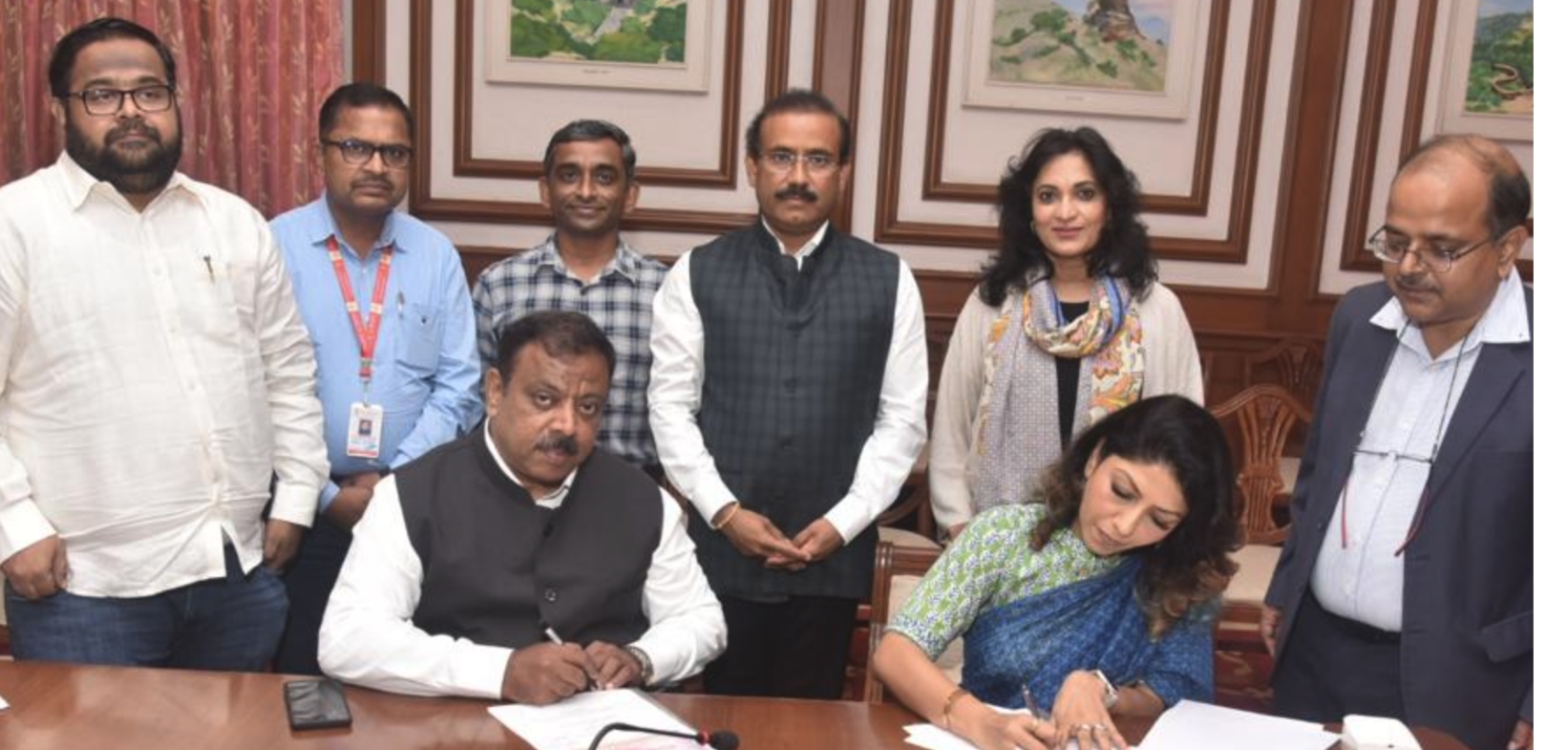
The MoU was signed in the presence of eminent professionals like Hon’ble Shri Rajesh Tope - Minister, Public Health Minister and Family Welfare, Government of Maharashtra, Dr VB Khatgaonkar - District Health Officer, Zilla Parishad Jalna, Shobha Meera, Chief CSR Officer - India, Capgemini & Member of the Group Executive Committee, Aarti Srivastava, Chief Human Resource Officer - India, Capgemini, Kumar Anurag Pratap, CSR Leader - India, Capgemini, Mr Mathew Joseph - Country Director, American Indian Foundation, Dr Mahesh Srinivas: Director - Public Health, American India Foundation and Dr Santosh Bhosale - Advisor, Agricultural Development Trust.