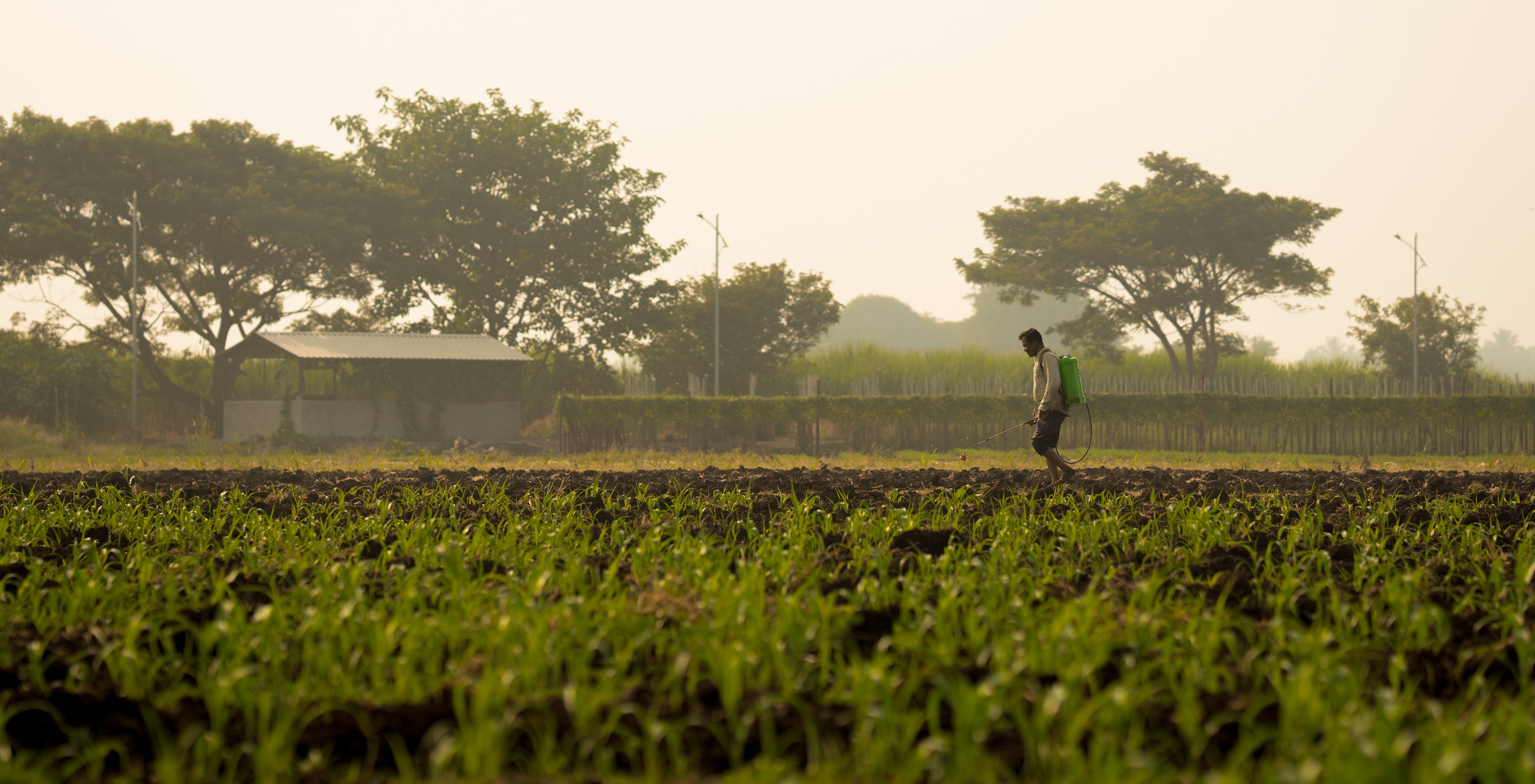
West Bengal and Baramati, Maharashtra
Project FARM reaps data and knowledge for better farming
As per the Food and Agriculture Organization of the United Nations, five of every six farms in the world consist of less than two hectares, operate only around 12% of all agricultural land, and produce roughly 35% of the world’s food.
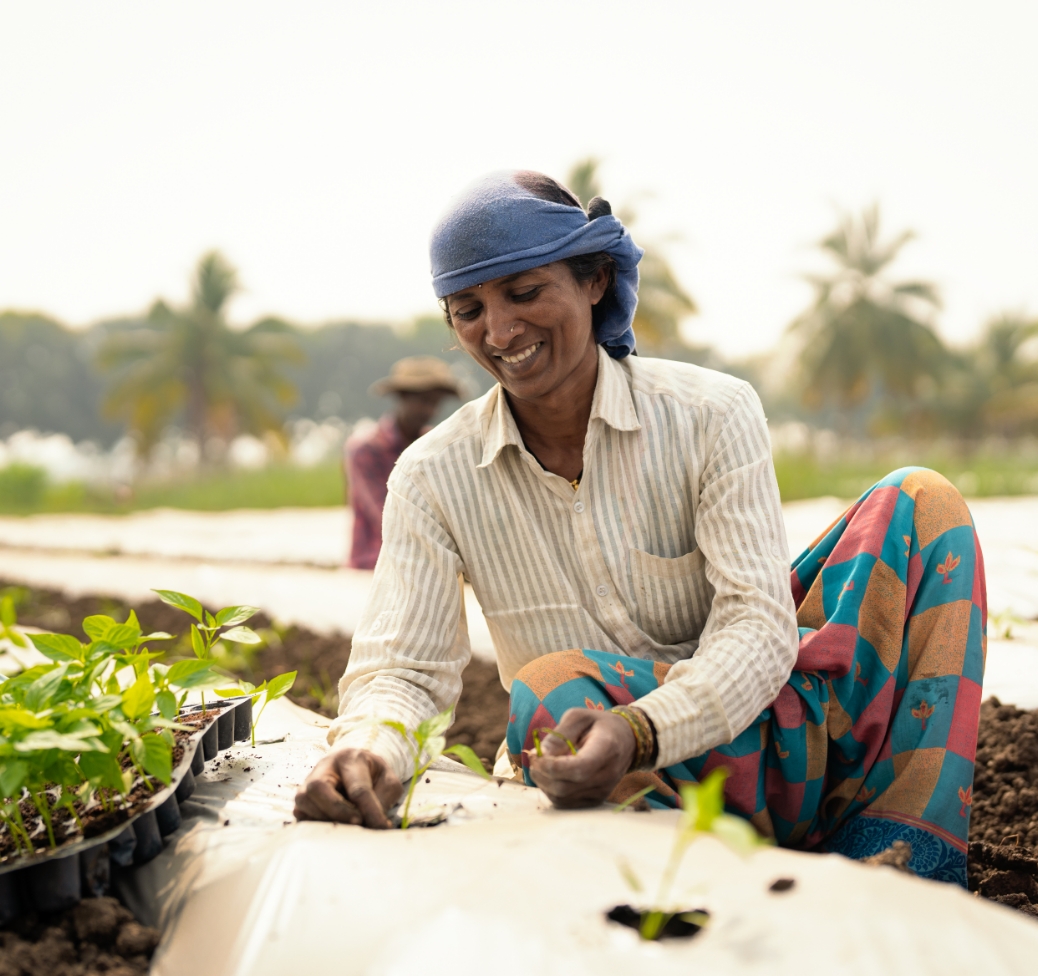
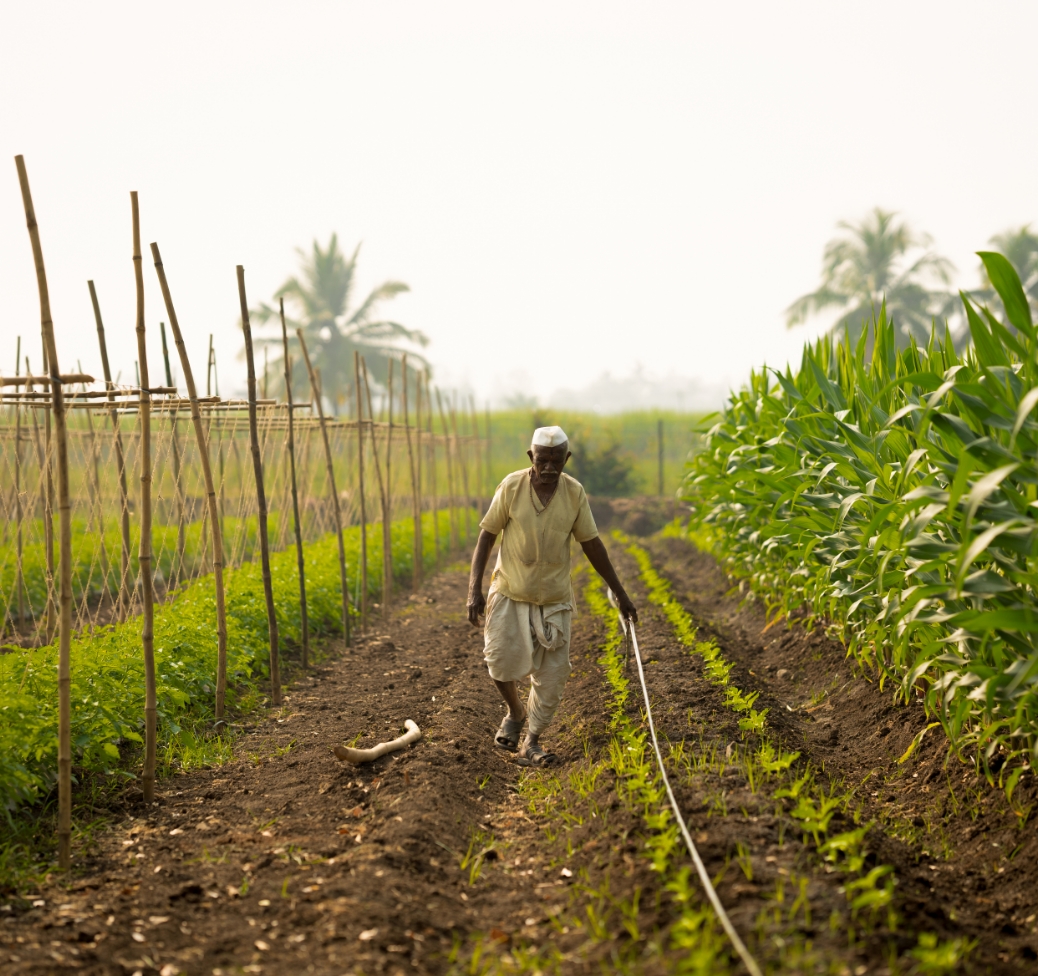
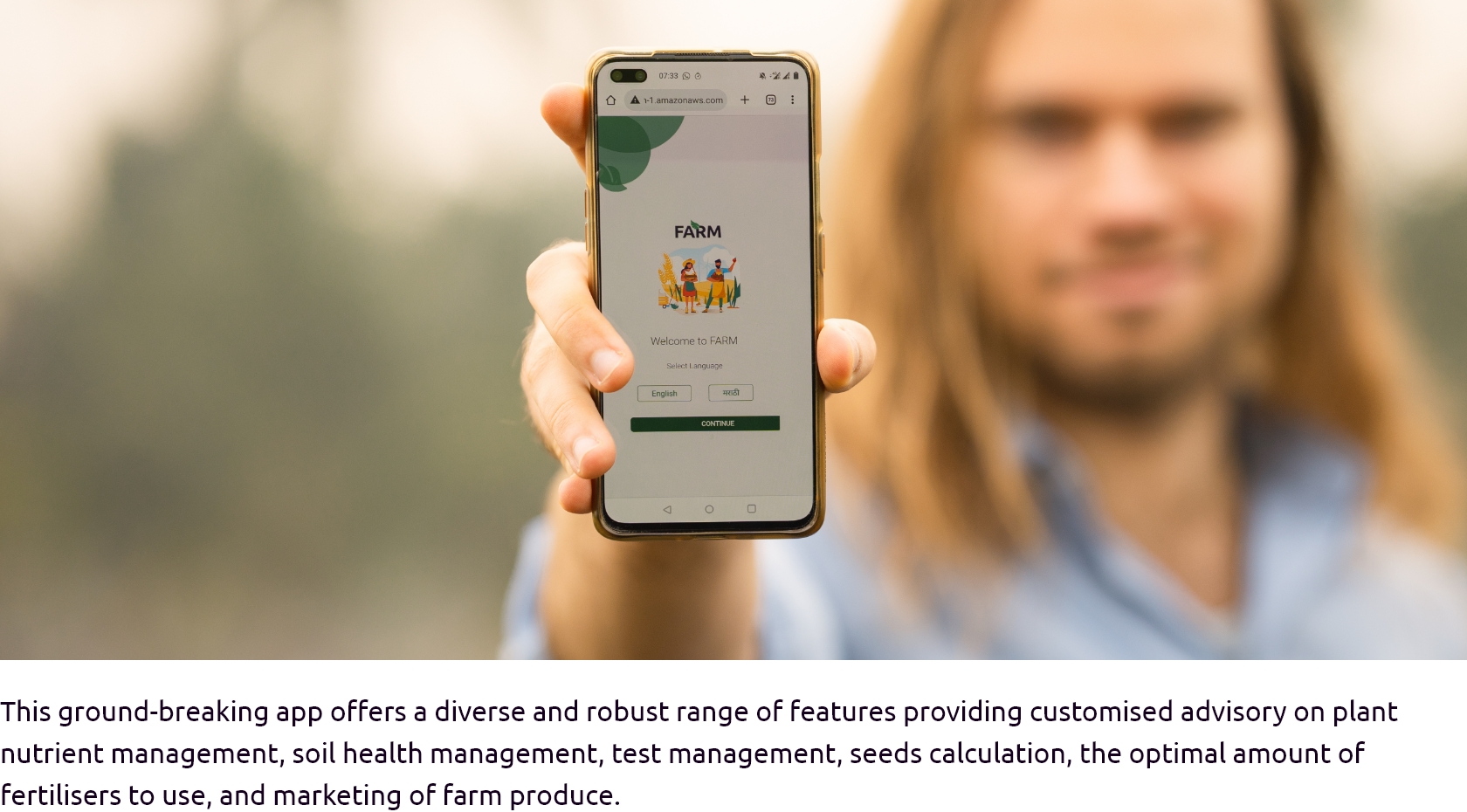
With the support of local and international organisations, Capgemini explored how digital technologies can inform better agricultural practices and solve the information gap between smallholder farmers and the rest of the farming value chain. The FARM app, created at Capgemini’s Applied Innovation Exchange (AIE) Collaboration Zone (CoZone) in the Netherlands, was developed to advance smallholder farmers’ livelihood by allowing them to use data to make better decisions, ultimately strengthening the global food supply. Project FARM took its first leap with the smallholder farmers in Kenya, East Africa, after teaming up with social enterprise Agrics. The app’s potential in its first trial encouraged the team to pave the way and start work in India.
FARM, coined out of the acronym Financial Agricultural Recommendation Models, envisages a future where smallholder farmers can sprout and thrive in an ecosystem of transparency and knowledge.
“The global need for food is expected to increase by 60% in 2050. Most of the world’s population is primarily fed by smallholder farmers in developing countries who face a far more challenging environment than most western farmers. Facilitating these farmers and helping them gain insights using the information to support and grow their output is not just morally right; it also helps keep food on all our global plates. With the huge potential of using open data, I believe the future of farming is bright.”
The rural communities in India rely on agriculture as their primary livelihood. Most small-scale farmers use small hectares (less than 2 hectares of land, compared with 2-10 ha for medium holders and more than 10 ha for large holders) of land while producing substantially for the larger national population. However, lack of technological innovation and access to information have constrained their resources and impacted their output, engulfing them in losses and putting them in dire financial situations.
The winds of change have arrived through Project FARM, raining hope and life as smallholder farmers turned towards the open horizons, basking in the rays of the new dawn. In 2020, Project FARM started work in the villages of West Bengal. They partnered with Change Initiatives, a Kolkata-based NGO working with farmers on sustainable livelihoods. The idea germinated as a need to capacitate the system (NGO partner) that supports the farmer. Project FARM developed a structured data collection instrument to gather information on farming patterns across 600 farms in East Midnapore, Hooghly and Jhargram in West Bengal. The insights drawn from this endeavour were then used to finally aid farmers in improving their efficiency in the field and promote effective decision-making. The FARM app was able to help the farming ecosystem to adapt and implement solutions swiftly, organise effective cost models, and strengthen collaboration within the value chain.
Capgemini’s Project FARM addresses the global food shortage challenge and revolutionises agricultural practices with technology. The platform harvests big data to advance smallholder farmers’ livelihood and economic conditions, preparing them to face the future implications of strengthening the global food supply.
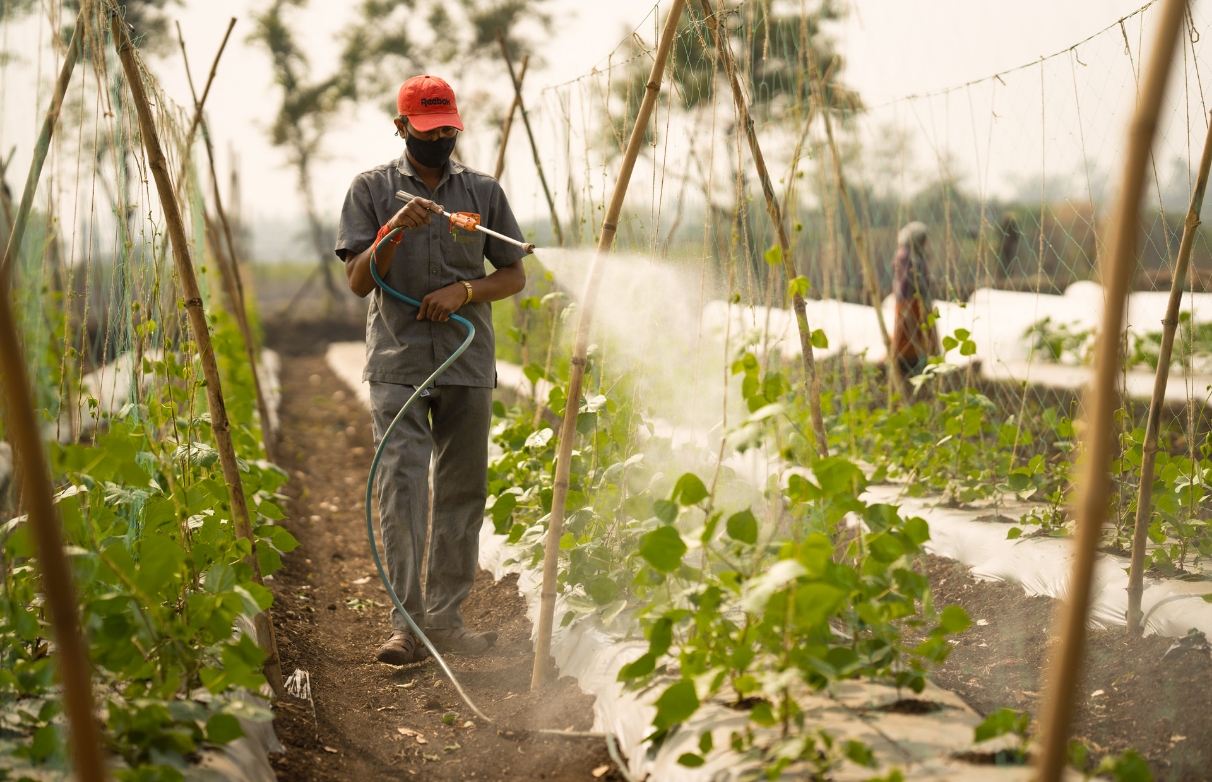
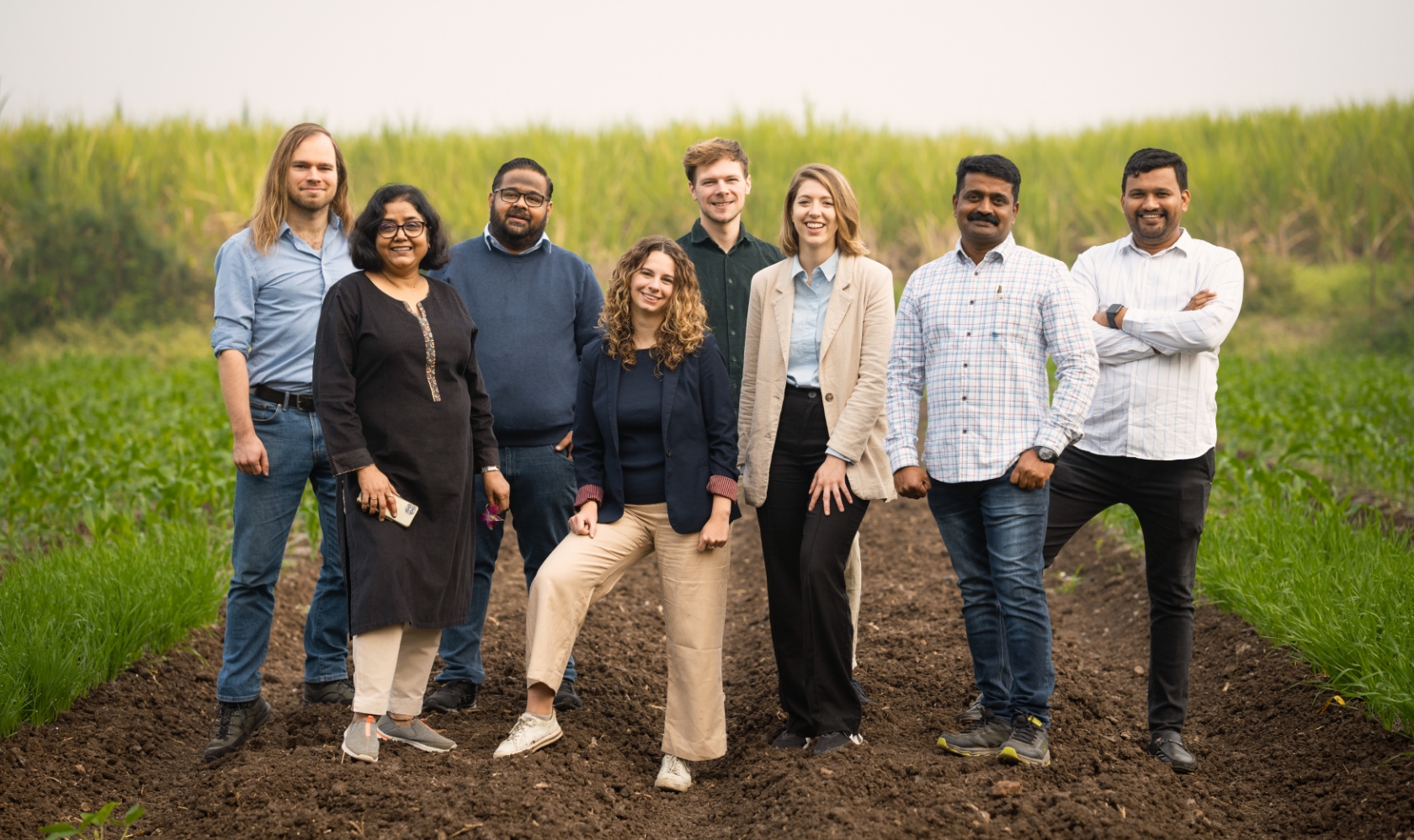
In 2021, Capgemini’s Project FARM ventured into the fields at Baramati, Maharashtra, sowing change and transformation in the lives of smallholder farmers. Capgemini worked with Krishi Vigyan Kendra (ADT-ICAR) based in Baramati, drawing on their strengths and expertise for the FARM app to develop, test and adopt solutions at scale and increase farming capabilities. This time the app was to be used by the farmers directly. The collaboration ensures that the platform is tailor-made to the farmers’ requirements and levies the necessary training on using the app.
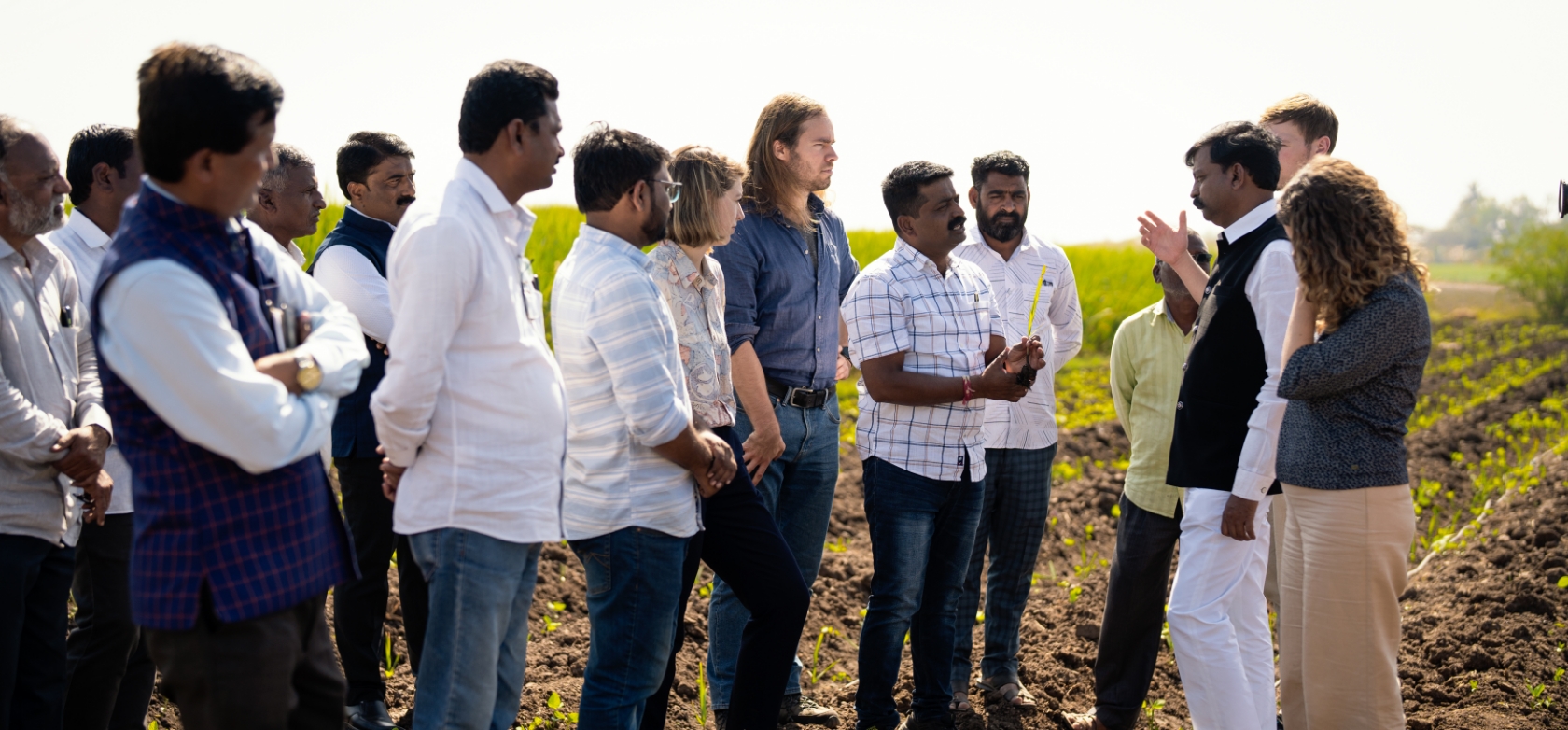
According to the World Economic Forum, smallholders account for 86% of farmers in India but are economically impoverished, as they are unable to gain a proportional value for their produce.
The platform is now customised to empower smallholder farmers in India to prosper by using innovative agricultural practices backed by the potency of information. What makes the app unique is how it utilises AI and advanced digital technologies to nurture financially safe and environmentally sustainable decisions amongst farmers, enabling economic growth and posterity in the rural sector and bringing a paradigm shift in how agro-industries can sustainably operate not just in India, but across the globe.
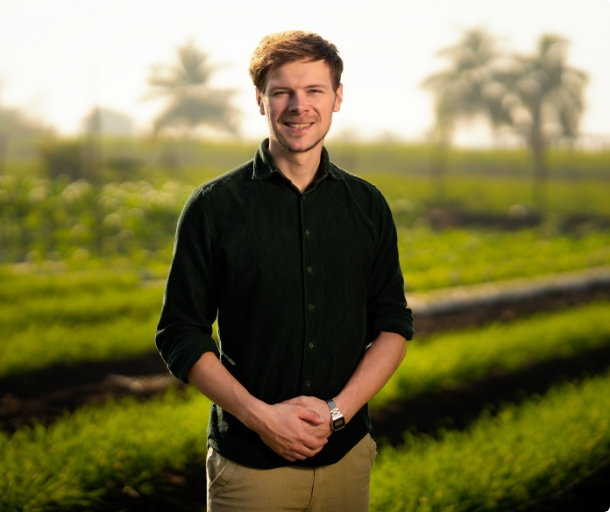
Managing Consultant Organisational Purpose & Strategy, Capgemini Invent, Netherlands
“At Capgemini, we always try to stay on top of developments, and Project FARM is our vehicle to try out new innovative technologies. Together with Change Initiatives, we identified multiple challenges that smallholder farmers face. This can be regarding access to input materials or valuable insights about their crops. Smallholder farmers’ networks are wholesome in their interactions with each other, but they could be more innovative in adopting new technology.
While commercial farmers use digital technologies to increase productivity, smallholder farmers still must adopt these technologies to their advantage. The result is a broken value chain in which smallholder farmers are disempowered, being price takers rather than price makers. Big commercial farmers can be way more productive and offer products for more competitive prices, driving out smallholder farmers from big markets. Smallholder farmers’ survival is necessary, so a system change is required. Project FARM will help make predictions through AI and pave the way for bringing automated farming to small-scale farmers. Project FARM, to me, showcases how much sustainable impact you can make using data.”
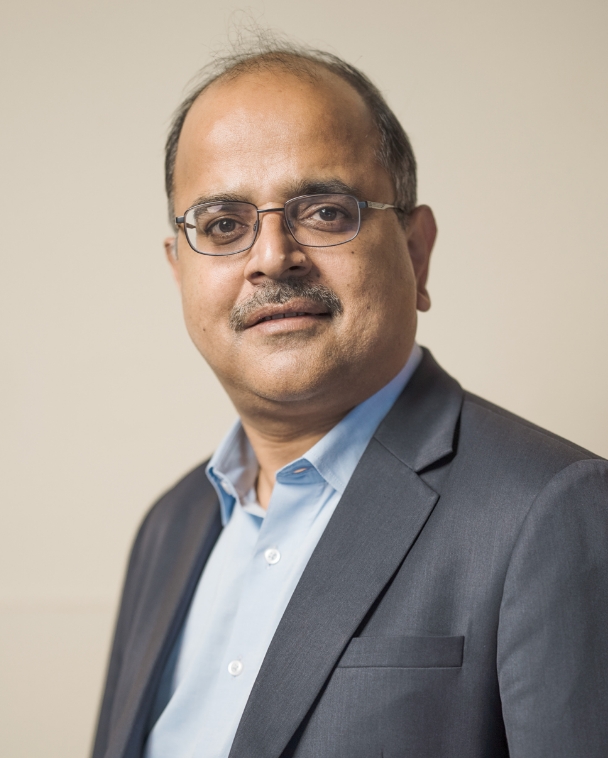
Kumar Anurag Pratap
Corporate Social Responsibility Leader, Capgemini India
“We are a country with over 66% living in rural areas who survive on agriculture and allied industry. This sector is responsible for feeding a large population in India. But these farmers continuously fall below the margins and need hand-holding more than any other industry. With newer problems cropping up in the most inevitable indigenous sector, it is high time we resort to emerging technologies for solutions. With the help of data and its analysis in agriculture towards smart farming and precision techniques, farmers’ goals around profitability, efficiency, and cost management are realistic and achievable. Applications of data-based platforms in agriculture could be used with a structural approach to identify challenges to be addressed through sustained solutions in this area which may also lead towards the development of analyst tools that may have implications for the power relations between farmers and large corporations.”
The FARM app continues to evolve by incorporating farmers’ feedback and making it user-friendly. Capgemini hopes to see the FARM app develop into an essential decision-making tool, integrating new features such as prediction models for major crops, weather forecasting, market pricing, crop cycle, and many more.
Jhumpa Ghosh
Director, Change Initiatives, Kolkata, NGO Partner
“The platform seeks to decrease post-harvest losses whilst improving smallholder farmers’ income. Capgemini is experimenting with new innovations such as remote sensing and disease recognition and aims to expand the platform with other partners. I trust that the inter-network of partners may enjoy transfer learning that will make the platform better for all involved.”
Amidst the looming threat of climate change and the volatility of the agricultural markets, the farmers in India are struggling to find a foothold for their sustenance. For those from smallholder and marginal farming communities who face inequitable access to quality inputs and resources, along with the inability to earn attractive revenue from their produce, they end up taking severe risks, pursuing unsustainable practices to continue in farming with little to no gain, trapping them in the vicious cycle of poverty.
“Data is of utmost importance. Many of the uncertainties of agriculture exist because we need more data to manage them. If we have access to relevant data, we can predict and provide insights which lead to better decisions. With the increasing digital literacy and number of smartphone users among farmers, the possibility of using digital technologies has increased like never before. An unprecedented number of farmers will consume digital agricultural services and produce data for future use. I believe that data will create new opportunities for collaboration among different stakeholders in the agricultural value chain.”
Need Input
Designation, Capgemini
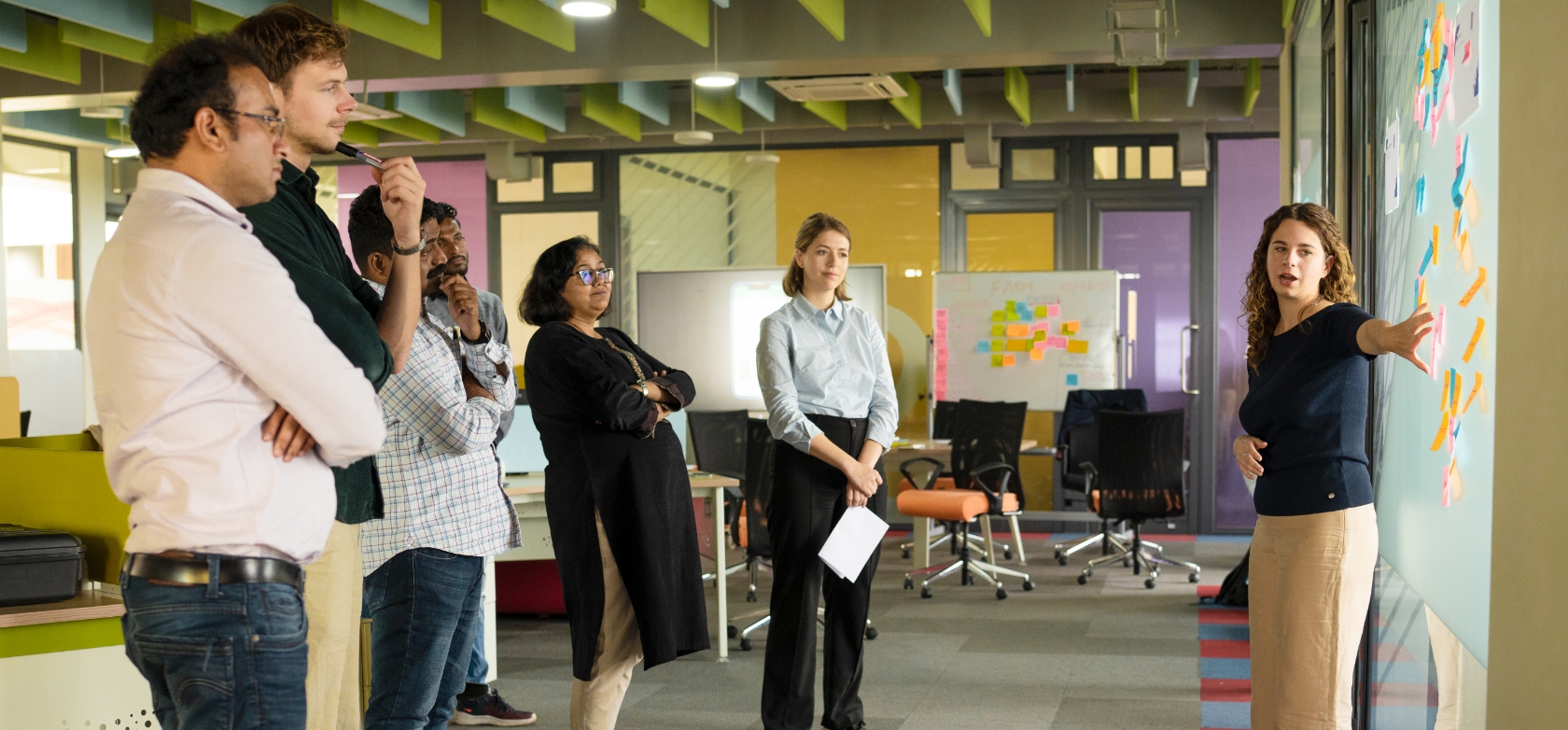
Standing at the cusp of transformation, many smallholder farmers in West Bengal and Maharashtra are slowly embracing technology’s potential and integrating it into their traditional farming methods.
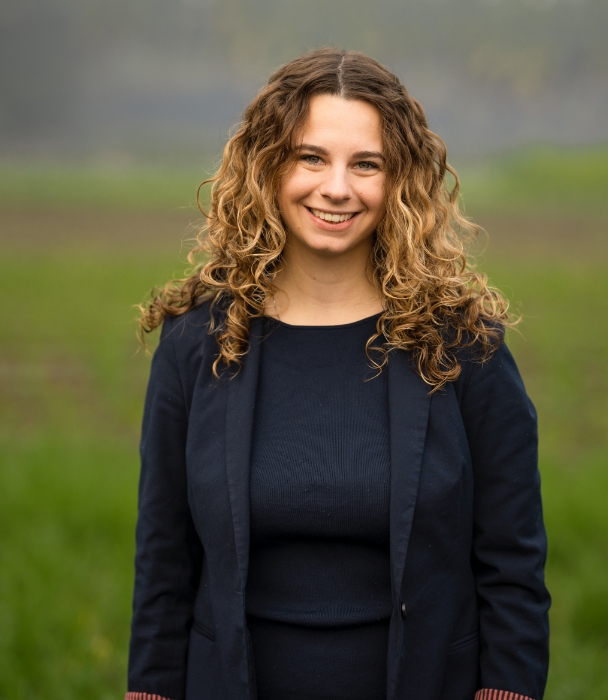
Renate Wolters
Transformation Lead, Capgemini, Netherlands
“With FARM, we help farmers and local corporations in making decisions–such as what to plant, which fertilisers to use, and how to deal with pesticides–based on the insights derived from our data platform. We understand that good collaboration is key to reaching the right impact on smallholder farmers. In our search for a collaboration, we found a strong partner in Change Initiatives. They are our eyes and ears on the ground and keep us sharp in developing relevant services for smallholder farmers as they understand their real challenges. They play a crucial role in the adoption and making sure it fits into the daily lives of these farmers.”
In its commitment to doing good with data, Project FARM is moving towards newer geographical areas and smallholder farming communities in India. Partnering with ADT-ICAR, the FARM team’s objective is to improve the income of 10,000+ smallholder farmers by the end of 2023.